We continue the second half of our Cognac-Expert 2025 Advent Calendar with a Louis Royer Extra cognac, allowing us to discover yet another new name (new for us!) in these pages. As usual when we add a new brand or producer here, let’s talk about its history first, before reviewing their cognac.
Louis Royer Cognac
Louis Royer Cognac began in 1853, when Louis Royer, a young cellar master and passionate beekeeper, founded his own house in Jarnac on the banks of the Charente. He had already worked as a blender for another producer and decided to channel his experience into a family firm that would bear his name and reflect the same diligence and organisation he admired in his hives. The bee soon became the emblem of the brand and still appears on every bottle as a symbol of hard work, precision, and teamwork.
From the outset, Louis Royer focused on sourcing eaux‑de‑vie from several crus, especially Fins Bois and Bons Bois for fruit, and Petite and Grande Champagne for structure and depth, blending them into a house style known for full, generous fruit character. Over time the firm expanded its cellars in Jarnac and built long-term relationships with winegrowers across the region, allowing it to assemble stocks capable of supporting an age‑stated range from VS through XO and Extra. The house also developed Pineau des Charentes alongside its cognacs, extending the bee-marked portfolio while keeping production centred in Jarnac.
As the decades passed, successive generations of the Royer family maintained control of the company, guarding the brand’s identity and its emblematic bee. The house weathered phylloxera, world wars, and shifting markets by modernising its facilities while retaining traditional double distillation in copper pot stills and patient aging in Limousin oak. Throughout, the bee has remained central to the story, linking Louis Royer’s original beekeeping passion to the cognac house’s philosophy.
Suntory, the Japanese drinks group, acquired a majority stake in Louis Royer in 1989 as part of its push into premium imported spirits and used the brand to strengthen its cognac portfolio in Asia and beyond. Under Suntory ownership the house increased exports, modernised some facilities, and developed a more structured range, but it remained based in Jarnac with its own cellar‑master team. After several decades, Suntory decided to exit the brand and in 2015 sold Louis Royer to the French cooperative group Terroirs Distillers (owned by the Picard family). The new owners refocused on traditional cognac distribution channels and positioned Louis Royer as a ‘craft’ house within a broader spirits portfolio.
Louis Royer Extra Cognac Review
The Louis Royer Extra cognac is a 39-year-old Grande Champagne cognac, distilled from Ugni Blanc grapes with the lees in a 25-hectolitre alembic. The eaux-de-vie matured in old and used (roux) casks in a damp cellar. Upon bottling, the cognac was reduced to 40% ABV. Expect to pay from €350 to €400 a bottle, for instance at Cognac-Expert.
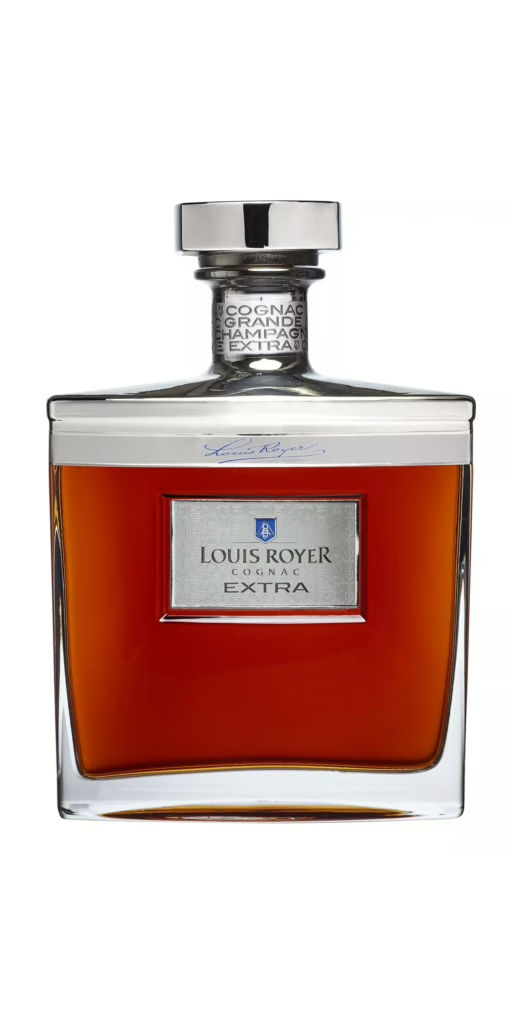
Colour:
Amber.
Nose:
Neat: The nose opens with cedar wood and orange blossom, with also dried fruits such as figs, raisins and apricots. Layers of saffron, honey, brown sugar and polished leather develop alongside a pronounced, mature rancio that adds walnut, tobacco and earthy tones without becoming heavy.
Palate:
Neat: The palate shows a silky, almost creamy texture (though slightly too thin), carrying rich flavours of vanilla fudge, caramel, candied citrus peel and light hints of passion fruit, supported by roasted nuts, hazelnut and chestnut, plus hints of cocoa and coffee. Spices such as saffron, cinnamon and gentle pepper weave through the fruit, while the rancio returns with subtle salty liquorice, leather and humidor notes.
Finish:
The finish stretches out in a long, warm glide, echoing dried fruit, citrus zest, nuts and toffee with lingering cedar, tobacco and earthy rancio.
Comments:
Another name to add on our watch list. This Louis Royer Extra is really a very good cognac, complex, and tasty, and showing it had a long maturation in good wood. A few more percents of alcohol and no chill filtration would have made it closer to perfection, but even now it is really very good. The price, however, feels excessive.