Today marks More Drams’ first dedicated Miltonduff session—an introduction to the distillery paired with four compelling independent Miltonduff whiskies. On the tasting table: a Malts of Scotland from 2011, a 13-year-old cask bottled for Van Wees’ 100th anniversary by Gordon & Macphail, a 2009 Whisky Mercenary release, and a 22-year-old Chieftain’s Choice from 1989. This Speyside workhorse deserves far more attention than it typically receives.
Miltonduff Distillery
Andrew Peary and Robert Bain founded Miltonduff Distillery in 1824 near Elgin, converting the old Pluscarden Abbey meal mill – known as ‘Milton’ – into a licensed operation after the 1823 Excise Act. They tapped the abbey springs for water and quickly scaled production, adopting triple distillation by the late 19th century to exceed one million litres annually, marking Miltonduff as a Speyside heavyweight.
William Stuart bought the site in 1866 and expanded it before Thomas Yool & Co. seized full control in 1895, driving further growth. Hiram Walker purchased Miltonduff in 1936 to fuel Ballantine’s blends after acquiring the brand, handing operations to George Ballantine & Sons and cementing its role as the rich, fruity backbone of their best-sellers.
Hiram Walker installed innovative Lomond stills in 1964 – designed with Ballantine’s input – to produce the heavier Mosstowie spirit alongside Miltonduff’s core style. They replaced these with conventional pot stills in 1981 during a major rebuild that boosted capacity past 5 million litres via a massive mash tun, 16 washbacks, and six stills. Allied Domecq absorbed Hiram Walker in the late 1980s, then Pernod Ricard took over through Chivas Brothers in 2005.
Chivas releases a rare 15-year-old single malt under Ballantine’s branding since 2017, while independents like Gordon & MacPhail reveal its apple-driven, nutty depth. No visitor centre operates amid the industrial hum, but Miltonduff powers Ballantine’s global dominance.
Miltonduff 2009 The Whisky Mercenary (2020) Review
We start with a 10-year-old Miltonduff. It was distilled in November 2009, before The Whisky Mercenary, a Belgian indy bottler, bottled it in January 2020. It was bottled at 49.5% ABV, so probably after a reduction, and the bottler didn’t reveal the type of cask(s) used for its maturation. This was non-chill filtered and bottled with natural colour, and a Belgian online shop called Drankenhandelgos lists it for €87 a bottle.
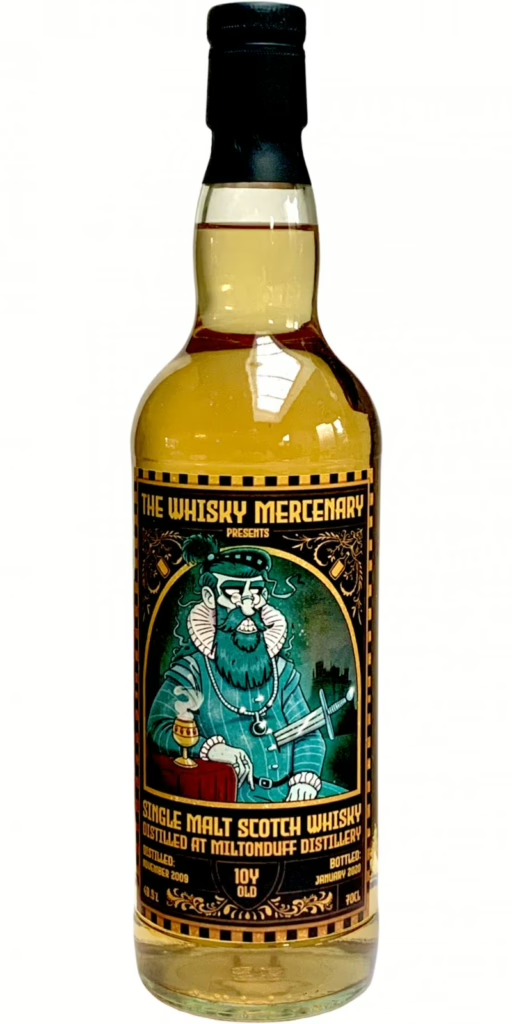
Colour:
Jonquille.
Nose:
Neat: The nose starts soft and slightly shy, on apples and pears dusted with vanilla sugar and something reminiscent of butter, giving a buttery‑pastry impression. Almond paste and crème brûlée appear with a little time, joined by a lightly perfumed note and hints of citrus, vanilla and caramel, while a trace of oak hums quietly in the background.
Palate:
Neat: The first impression is a spritzy, slightly alcoholic tingle that quickly settles into citrus brightness, vanilla and soft caramel, still carrying that pastry‑like apple and pear fruitiness from the nose. The mouthfeel is light‑to‑medium, with a creamy edge. Honeyed cereal notes, a touch of almond and a modest oak spice keep it from becoming one‑dimensional, though the overall palate remains straightforward and easy‑drinking rather than deeply complex.
Finish:
The finish is medium in length, gently sweet and malty, fading on vanilla, caramel and soft orchard fruit with a hint of wood and a faint perfumed echo. It dries slightly toward the end with a trace of oak bitterness, but stays overall clean and pleasantly simple.
Comments:
This first Miltonduff offers easygoing charm rather than profound complexity—an inviting sipper with bright, juicy fruit notes and just enough oak for balanced intrigue.
Rating: 6/10
Miltonduff 2011 Malts of Scotland (2021) Review
Next, we go to Malts of Scotland with a 2011 Miltonduff bottled in 2021 in MoS’ ‘Innocent Drams’ series. It matured for 10 years in an ex-bourbon barrel (MoS 21,008), before being bottled at 47.5%, without chill filtration nor added colour. Still available in Belgium and Germany, about €55 a bottle.
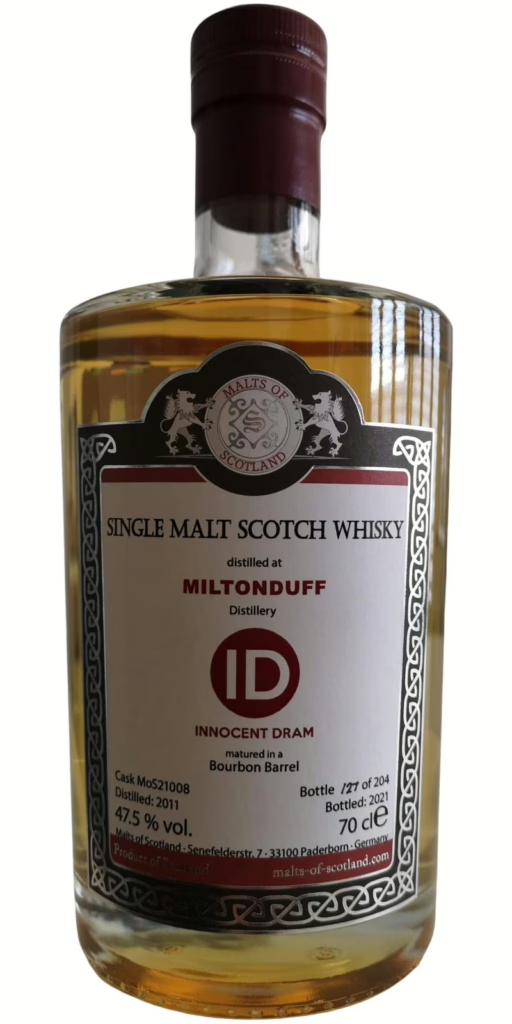
Colour:
Pale gold.
Nose:
Neat: The nose bursts with bright, light fruits – banana cookie dough, apple compote, gooseberry jelly – layered over caramel toffee, honey, vanilla pods and grain muesli. A hint of mango adds tropical lift, while subtle nutty aromas and buttercream cake notes create a rich, pastry‑like sweetness that feels inviting and youthful. The bourbon cask contributes soft oak and a clean, modern freshness without heaviness.
Palate:
Neat: On the palate, the whisky is spicy and engaging, with grain bars, honey candies, gooseberries and apple sauce leading into light grapes and fresh sawdust. Vanilla cookies, apple rings and a lightly grassy edge provide texture and balance, while salted caramel and creamy vanilla pudding add depth and mouth‑coating richness. The 47.5% ABV brings gentle warmth and a well‑rounded oiliness that belies its youth.
Finish:
The finish is medium‑length and satisfying, fading on sweet vanilla, honeyed malt and lingering fruit with a touch of oak spice and subtle grassiness. It dries gently with a clean, cereal‑sweet echo that leaves the palate refreshed rather than overwhelmed.
Comments:
Like its Whisky Mercenary sibling, this youthful Miltonduff delivers easygoing drinkability rather than elaborate complexity – engaging enough in its bright fruit and subtle oak to earn the same solid rating.
Rating: 6/10
Miltonduff 2007 Gordon & Macphail (2021) Review
Next, we have a 2007 single cask Miltonduff. Gordon & Macphail matured it for 13 years in a first fill sherry hogshead #186,035, before bottling it in 2021 for van Wees’ 100th anniversary. The hogsheads gave an impressive 329 bottles, filled at 59.7% ABV, without chill filtration nor added colour. Surprisingly, still available in Austria at Genussamgaumen for just €95.
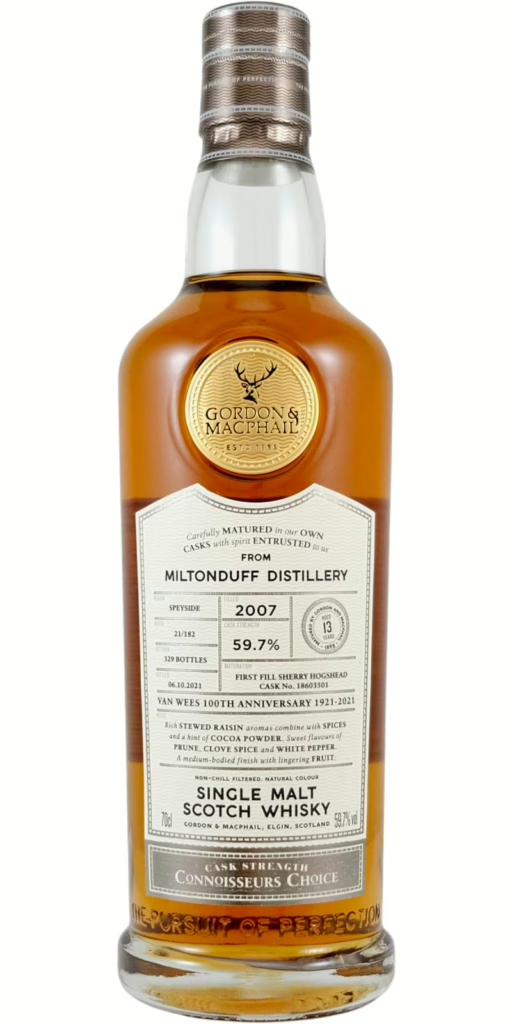
Colour:
Russet.
Nose:
Neat: The nose is immediately intense, dark, full and sweet, with clear sherry‑cask influence. Stewed and dried fruits (raisins, prunes, figs, apples, blackberries), caramel and dark red berries over dusty oak and mixed nuts. There are also supporting aromas of dark honey and vanilla. Orange liqueur, cinnamon, nutmeg, leather and a faint floral note add creaminess and depth, with a subtle hint of cocoa.
With water: The nose becomes less tight and hot, with stewed raisins, prunes and cocoa notes integrating more smoothly with the spice and honeyed sweetness.
Palate:
Neat: The palate is thick, mouth‑coating and powerful, with the alcohol showing clearly but carrying a dense wave of sweet toasted barley, toffee, butterscotch and demerara sugar. Big sherry notes follow: dried apples, figs, raisins, apricots and slightly salty prunes. They’re intertwined with mixed nuts, brandy, orange liqueur, dark chocolate, polished leather and dusty oak, then spiced up by pepper, nutmeg, cloves and a touch of chilli heat. It doesn’t stop there: dark honey, slightly burnt buttered toast, molasses, dark tea, tobacco, ginger, aniseed, menthol and liquorice contribute complexity and a drying edge that keeps the richness in check.
With water: Reduction softens the alcohol and reduces the sharpness of the chilli and pepper, bringing the dried fruits, chocolate, nuts and caramel into better balance and making the overall texture feel creamier and more approachable.
Finish:
The finish is middle‑long to long, quite sweet at first but growing drier, dominated by the dried‑fruit, nut and caramel combo with lingering chilli chocolate, dark sherry, orange peel and bitter chocolate accents. Digestive biscuits, vanilla and baked bananas echo softly as it fades, with firm oak, spice and a touch of tannic grip, leaving a robust after‑dinner impression that still carries the core sherry sweetness.
Comments:
A thick, chewy Miltonduff, saturated with assertive sherry‑cask character yet clearly drawn from high‑quality wood, as one has come to expect from Gordon & MacPhail.
Rating: 7/10
Miltonduff 1989 Chieftain’s (2012) Review
The last dram of the session is a 1989 Miltonduff. It aged for 22 years in hogsheads #6, 8 and 10 before Ian Macleod bottled it in 2012 in their Chieftain’s range. They filled 1058 bottles at 50% ABV, without chill filtration nor colouring. Obviously long gone.
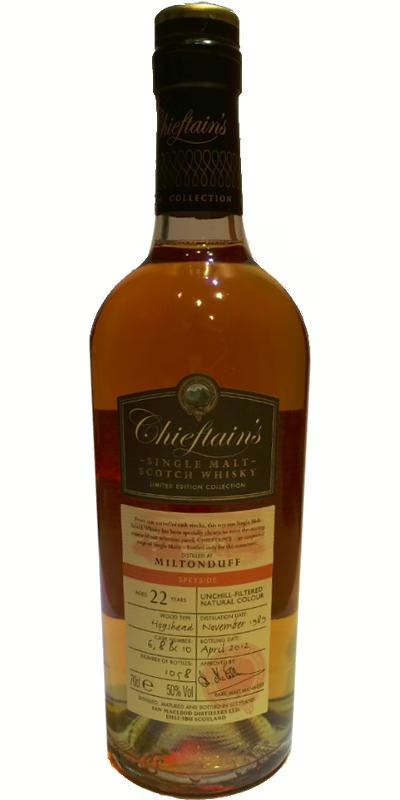
Colour:
Amber.
Nose:
Neat: The nose is mellow and sweet, dominated by fused yellow fruits – ripe pear, peach, and golden apple – wrapped in soft vanilla cream and a light floral lift. Elderflower honey, heather, and sweetened mint tea add herbal sophistication, while resinous pinewood, sandalwood, and a subtle medicinal edge provide depth. A gentle citrus note and faint chewing gum sweetness keep it bright and approachable despite the age.
With water: Water enhances the fruitiness and herbal notes on the nose, softening the pine and medicinal tones into a more floral, honeyed expression.
Palate:
Neat: The palate arrives smooth and oily, with peppery mineral spice balanced by sweet lemon cream and woody richness. Yellow fruits persist alongside ginger, raisins, elderflower, and toasted bread, offering a harmonious blend of sweetness and structure. The texture is creamy and refined, with well‑integrated oak that adds spice without dominating the fruit‑driven core. Finally, there’s a surprising feeling of dust and sooty ash, as if the cask had contained peated whisky before.
With water: Reduction smooths the pepper and spice, amplifying the lemon cream, elderflower, and yellow fruit while preserving the oily texture and mineral edge.
Finish:
The finish is long and balanced, with woody flavours, lemon cream, and lingering pepper fading gradually into a clean, elegant close. It maintains harmony throughout, though some note it loses intensity toward the end while remaining poised and Speyside‑classic.
Comments:
Another lovely Miltonduff, carrying its extra years with real grace, and revealing a surprisingly almost‑peaty streak on the palate that adds unexpected depth to its gentle Speyside charm.
Rating: 7/10
Late thanks for the Chieftain’s split, Arnaud!